From Books to Breakthroughs: CPS Faculty and Staff Shape Industry Practice and Public Discourse
by Heidi Happonen
When Northeastern University’s College of Professional Studies sets out to make an impact, we don’t just publish papers. We reshape how industries operate, influence national policy debates, and create pathways for students to gain real-world expertise that employers demand.
This year has been particularly remarkable. While this is just a snapshot of our collective faculty accomplishments, it highlights a host of newly published books, significant research grants, the launch of groundbreaking student programs, and a growing presence as sought-after voices on critical issues ranging from food safety to artificial intelligence.
Below are examples of the amazing work our faculty and staff are leading across the college and beyond.
Bridging Academia and Industry Through Innovation
In Toronto, Ekta Shah exemplifies how faculty innovation directly benefits students. She spearheaded two major initiatives that are redefining regulatory affairs education in Canada.
First, Shah launched the Case Study Simulation Program, funded through a $25,000 grant from the Burroughs Wellcome Fund. The program gives students hands-on access to Freyr SUBMIT Pro and Freya Intelligence, industry-standard regulatory platforms that are rarely available in academic settings. Working in mentor-guided teams, 16 students completed an eight-week Health Canada submission simulation, supported by regulatory professionals from Moderna, the Ontario Ministry of Health, and SCIEX.
Shah also launched the inaugural issue of the Regulatory Affairs Chronicle, a faculty-reviewed journal designed to give graduate students experience in scholarly writing and publication, and co-authored a peer-reviewed article in DIGITAL HEALTH on harnessing digital health technologies to enhance clinical research and patient outcomes.
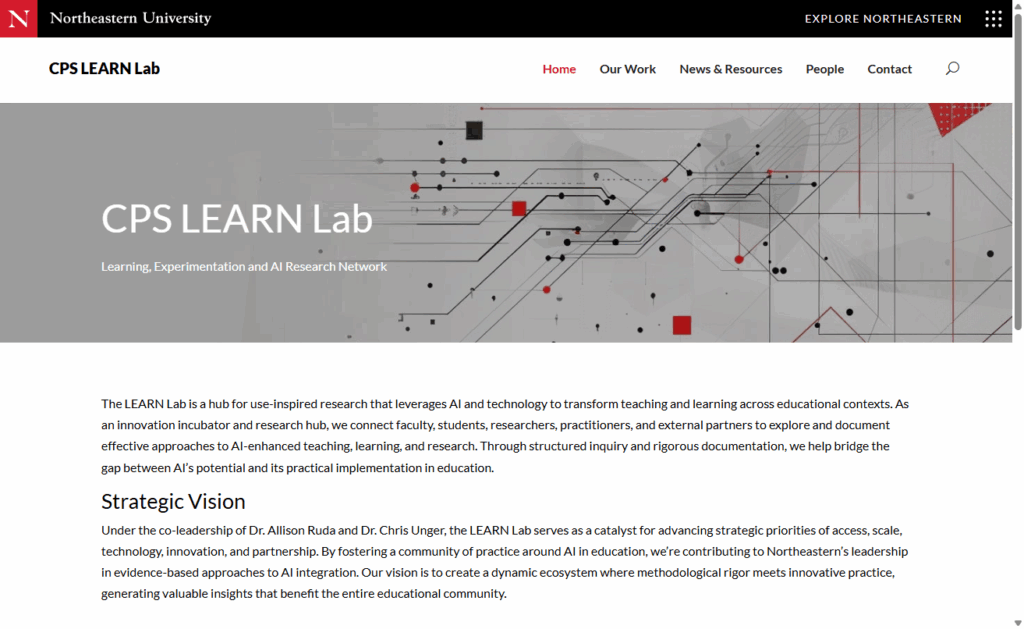
Chris Unger and Allison Ruda are pioneering new methods for assessing student skill development through the CPS LEARN Lab. Through partnership with Cambiar Quest, they’re embedding AI-powered interview chatbots to assess students’ communication and critical thinking development in micro-internship programs. Their collaboration with GPS Ed Partners integrates AI chatbots to gather multi-stakeholder feedback from students, educators, and employers across work-based learning sites, while developing AI coaching tools that provide real-time guidance. Both projects exemplify use-inspired research that simultaneously advances scholarly knowledge and creates practical tools improving student outcomes.
Building Sustainable Systems
Youngbok Ryu, along with colleagues Francesca Grippa and Carl Zangerl, led multiple projects funded by the Ewing Marion Kauffman Foundation, Eastern Bank Foundation, and Northeastern’s Sustainability Office, transforming how higher education institutions approach procurement. The team hosted the 4th Annual Symposium on Responsible Procurement in Higher Education at Northeastern, featuring former Massachusetts Economic Development Secretary Yvonne Hao as keynote speaker, developed two learning modules on sustainable procurement, created a GenAI-based chatbot for small suppliers, and published research on the chatbot user experience.
Ryu presented at the American Society for Public Administration Annual Conference and the National Association of Educational Procurement New England Regional Conference, was nominated for Northeastern’s 2025 Global Educator Award, and selected for the 2026 Council on Foreign Relations College and University Educators Workshop. Grippa published Leading Meaningful Change with Edward Elgar Publishing, delivered a keynote at the University of Udine in Italy, and led a workshop at the INSNA Sunbelt 2025 conference in Paris on analyzing words and networks.
Shaping National Conversations

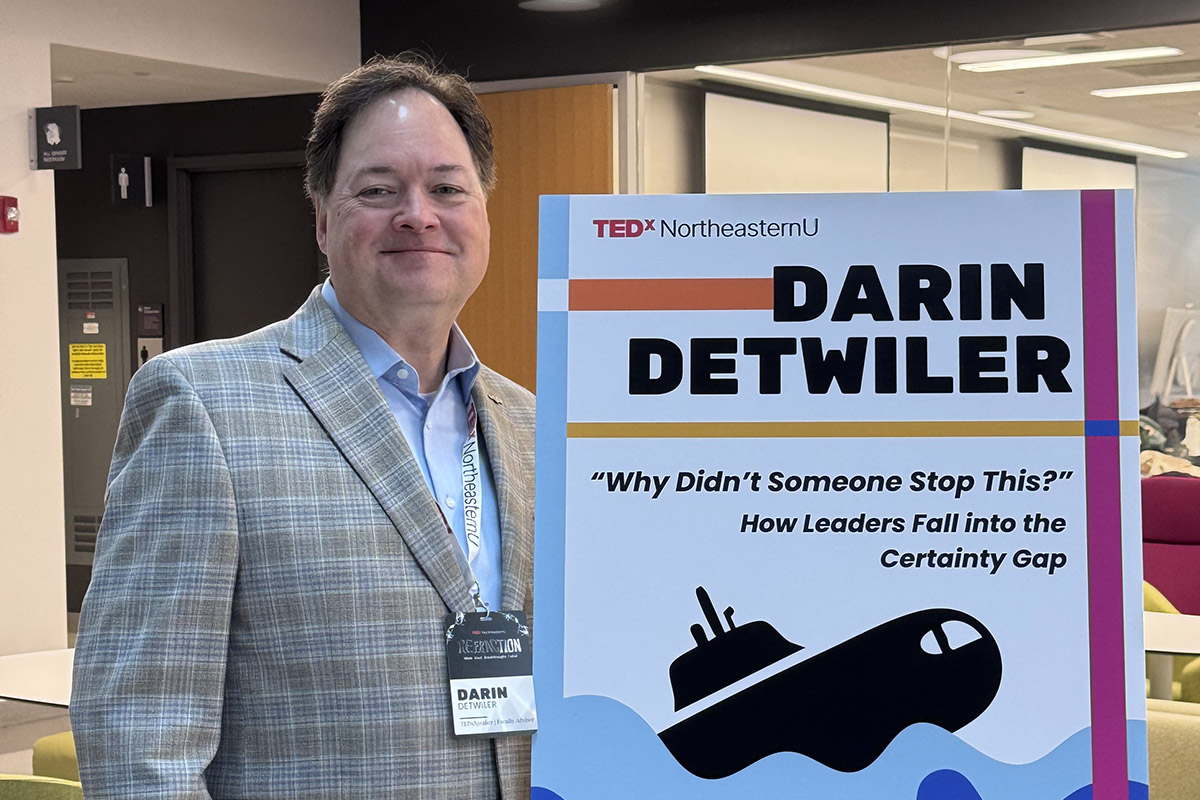
Darin Detwiler has become one of the nation’s most visible voices on food safety, using his platform to influence policy and protect public health. Named New Food Magazine’s “Distinguished Global Fellow in Food System Integrity,” Detwiler delivered keynote addresses at major international conferences in Mexico City, Toronto, and Dubai, served on the CDC Food Safety Surveillance Working Group, and was honored at Northeastern’s President’s Academic Honors Convocation.
His impact extends far beyond academic circles. Detwiler published more than a dozen columns and articles in outlets ranging from Time Magazine and Scientific American to The New York Times and Food Safety News, and appeared on Times Radio, NewsNation, CBS News, and Marketplace, addressing federal food safety budget cuts, foodborne illness outbreaks, and recall modernization. He also served as a signatory on federal letters urging reinstatement of critical USDA food safety advisory committees and opposing additional FDA resource cuts, placing him at the center of national debates about food system integrity.
Leading the Conversation on AI in Education
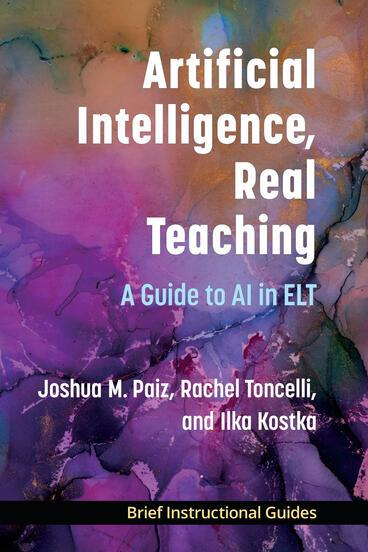
Ilka Kostka has emerged as a leading voice on artificial intelligence integration in language education, co-authoring Artificial Intelligence, Real Teaching: A Guide to AI in ELT with the University of Michigan Press and contributing peer-reviewed articles, book chapters, blogs, and encyclopedia entries on AI in language teaching. She delivered keynotes at MIT Art, Design & Technology University in India and at the University of Northern Iowa, and gave workshops and talks at the University of California-Berkeley, Catholic University of America, and the IATEFL Convention in Edinburgh, Scotland. Kostka also serves as Deputy Chair of the Women in Higher Education Fellowship Programme through Professors Without Borders and is Vice-President of Literacy Volunteers of Greater Worcester.
Daniel Serig is advancing critical conversations about how artificial intelligence can serve educational equity rather than exacerbate existing divides. Selected from nearly 900 applications worldwide, Serig will participate in the AI Humanities Sandpit in Montreal this February as part of the “Doing AI Differently” grant from the UK’s Alan Turing Institute and Edinburgh University. Serig is currently leading a mixed-methods pilot study with Three Dots and the University of Kabianga, Kenya, examining how AI learning tools integrate into teacher education in mobile-first, resource-constrained environments. In November, he presented “AI as an Equity Tool in EdD Qualitative Research” at the 2nd Annual AI in Education Conference at the University of Cambridge, based on work with CPS EdD students and Allison Ruda on the AI for Qualitative Research: A Hands-On Guide.
Joan Giblin is reshaping how higher education approaches learning support in an AI-transformed landscape. Her peer-reviewed article “Reimagining Learning Centers in the Age of Generative AI” appeared in Learning Assistance Review, while her co-authored piece with student collaborator J. Jacobson examines “AI-Augmented Asynchronous Tutoring” as a model to increase student belonging. Giblin has two additional articles in press, including “Teaching Challenges, Ethical Considerations, and Equity Issues: Navigating Gen AI Use in Northeastern University’s EdD Program” (co-authored with Kelly Conn, Joe McNabb, Daniel Serig, and Chris Unger). At the ACPA 2025 Annual Convention, she presented two endorsed programs on teaching strategies and leveraging generative AI in academic support.
A team of CPS faculty and staff also shared professional development best practices in AI with educators at Lynn Public Schools, led by Chris Cook, Jennifer Madonna, Allison Ruda, Chris Unger, and Lydia Young.
Advancing Knowledge Across Disciplines
The breadth of faculty scholarship this year spans remarkable territory, reflecting the diversity of expertise in the CPS community:
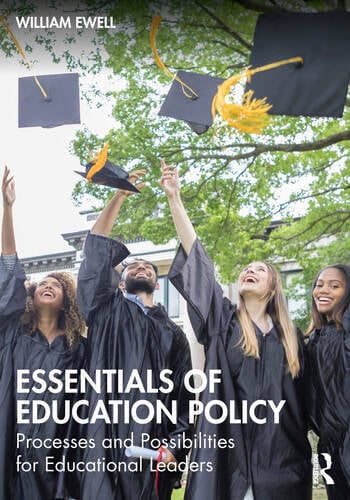
William Ewell published Essentials of Education Policy: Processes and Possibilities for Educational Leaders with Routledge, providing educational leaders with frameworks for navigating complex policy landscapes.
Jacques Alexis published Project Management Across Industries: A Case-Based Approach with Cognella Academic Publishing.
Joseph Griffin co-authored Case Studies on Project Management in Practice with Edward Elgar Publishing.
Noor Ali published Creating Inclusive Classrooms for Muslim Students: A Practical Guide for Teachers with Routledge, filling a critical need for educators working with diverse student populations.
Karen Zhou co-authored research on AI innovation in drug development in Frontiers in Medicine with Rominder Singh and Jared Auclair, contributed a chapter on North American medical device policy in Fundamentals of Medical Device Regulations: A Global Perspective, and completed a draft chapter on AI Governance in Healthcare for the International Association of Privacy Professionals’ handbook—the official study material for the AIGP exam.
Adel Zadeh published three peer-reviewed articles examining project management and sustainable construction. His research on agile implementation’s impact on employee satisfaction appeared in Information System Management, his work on agile success was published in Engineering Management Journal, and he co-authored a systematic review on steel slag in concrete for Advances in Civil Engineering Journal. Zadeh presented at multiple international conferences including the Global Symposium on Leadership and Project Management, EURAM 2025 in Florence, and the World Symposium on Sustainability Leadership in Salamanca, Spain.
Research That Shapes Practice
Faculty research also secured significant external funding and recognition:
Baktybek Beshimov received research grants from the U.S. Department of State and Department of War for projects on Russian malign influence and Chinese economic statecraft in Central Asia. His paper on “Central Asia—China’s Xinjiang Interactions” was accepted for the 83rd Annual Midwest Political Science Association Conference.
Sasha Goldman secured three major grants: the Stuart Foundation Planning Grant with Mike Dean, and Davis Foundation Grant and Strada Education Foundation Grant with Connie Yowell, all supporting innovative approaches to education and workforce development.
Ammar Aamer published research on the design and testing of IoT-based food traceability systems in the International Journal of Logistics Research and Applications and examined challenges and opportunities in non-emergency medical transportation in Maine in Global Journal of Flexible Systems Management.
Mamta Saxena, along with colleagues Joe Reilly, Shannon Alpert, and former colleague Asim Javed, had their article “From Compliance to Collaboration: Building a Holistic and Data-Informed Culture of Assessment for Learning Improvement” accepted in Intersection: A Journal at the Intersection of Assessment and Learning.
Leadership and Service
Faculty contributions extend beyond research and publication into professional leadership:
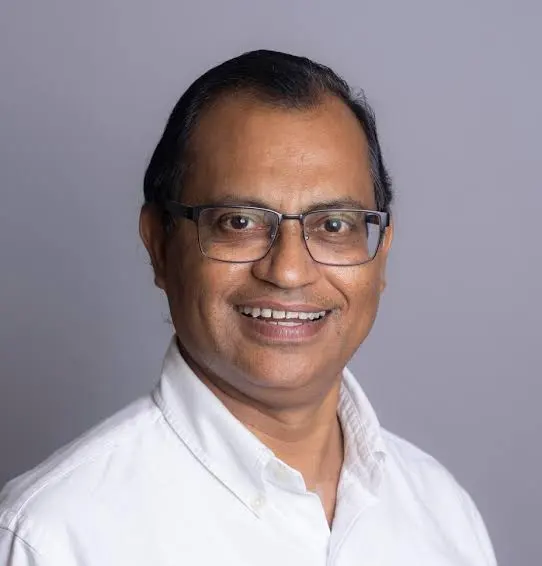
Umesh Hodeghatta was elected Vice-Chairman of the Maine IEEE Computer Society and facilitated the launch of the IEEE Student Branch at the Roux Institute. He was also elected to serve as the IEEE Maine Section Secretary while continuing to serve as Northeastern’s IEEE Student Chapter Faculty Coordinator.
Behnaz Merikhi co-authored and presented peer-reviewed research on cooperative multi-agent reinforcement learning for tumor targeting at the IEEE SMC Conference, developed and presented a multi-agent AI chatbot for self-paced student learning at Northeastern’s 2025 Faculty Development Conference, and was selected to serve on the Technical Committee and as Women in Engineering Chair for the International Future Machine Learning and Data Science Conference 2025. She also served on the CPS DEI Committee and led the redesign of the Foundations of Informatics course.
Kari Thierer published research on experiential learning assessment in Intersection and serves as a Subject Matter Expert for the Department of Labor’s Strengthening Community Colleges grant program, coaching project directors and providing customized training.
Les Stein published “Transformational Leadership as a Catalyst for Revitalizing Underperforming Secondary Education Institutions” in The Clearing House: A Journal of Educational Strategies, Issues and Ideas.
Shachi Winton created and launched the Master of Professional Studies in Applied Artificial Intelligence and the Applied AI-Connect programs, including curriculum design, program proposal development, and regulatory preparation, with the program launching in Fall 2025.
Learning by Doing
Thomas Goulding is leading new models of teaching advanced analytics through weekly engagement with leading economists including Whitney Newey and Nobel Laureate Joshua Angrist, giving students access to the most current advancements in causal analytics. This spring, he introduced faculty to three advanced causal analytics techniques for TechCore courses and is now developing examples specifically tailored for Northeastern students, making these sophisticated methodologies accessible and applicable to real-world business problems.
James Gardner completed his Graduate Certificate in AI Applications from the Bouvé College of Health Sciences, demonstrating the commitment to lifelong learning that characterizes CPS.
Vladimir Shapiro published “An AI-Inspired Approach to Student Performance Assessment” at The Paris Conference on Education 2025, exploring innovative evaluation methodologies.
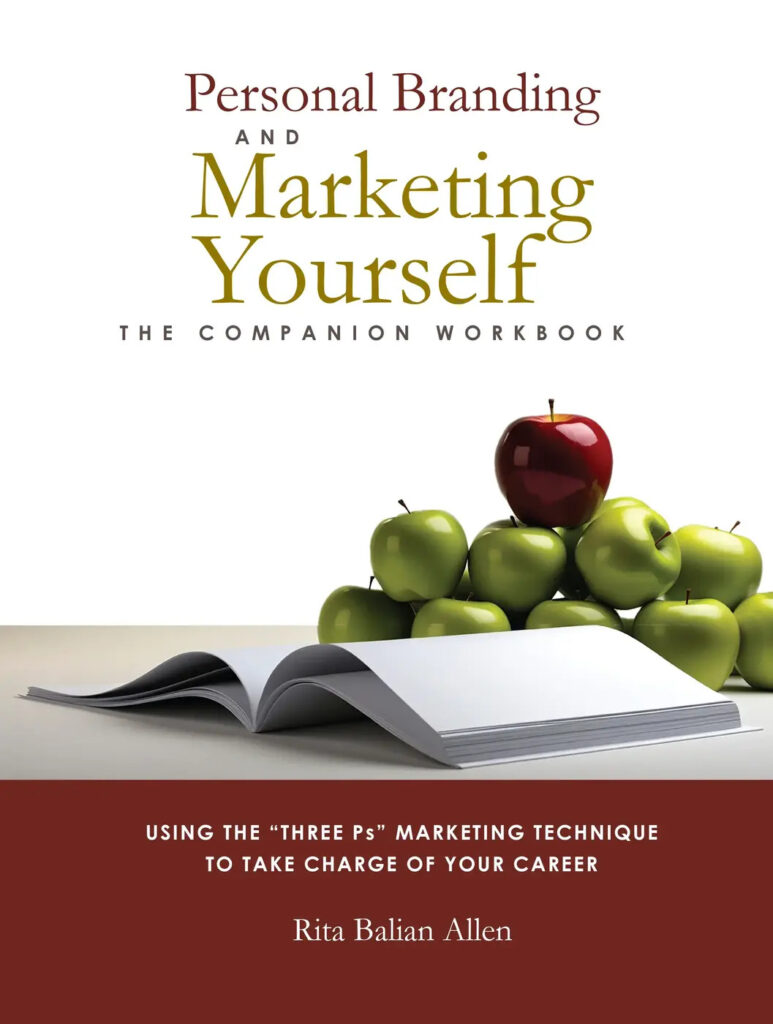
Rita Balian Allen published her second book, Personal Branding and Marketing Yourself: The Companion Workbook, providing students and professionals with practical tools for career advancement.
The Impact

What connects these diverse accomplishments is a shared commitment to work that matters beyond academic walls. CPS faculty and staff aren’t just building knowledge. They’re changing how industries operate, how students learn, how policies are shaped, and how complex challenges are addressed.
Their research informs practice. Their teaching creates opportunities. Their advocacy protects the public. And their innovation opens new pathways for students to gain the skills and experiences that will define their careers.
As Elizabeth Haines demonstrated by hosting a two-hour fireside chat with a medical device industry CEO for her students, CPS faculty consistently bridge the gap between classroom learning and real-world application, ensuring students gain exposure to executive-level perspectives and current industry practices.
And Lydia Young presented on transforming teacher preparation at the Cooperative Education and Internship Association Annual Conference, sharing insights on emergency-licensed educators and future apprenticeship programs.
These accomplishments represent a snapshot of our CPS’s impact in 2025 and reflect both individual excellence and a collective commitment to education that prepares students for the complexity and challenges of professional life. Whether through groundbreaking research, innovative student programs, thought leadership in national debates, or service to professional communities, CPS faculty and staff are shaping the future of higher education.
*The summaries included in this story reflect the contributions shared by faculty who responded to a survey sent to all faculty via email from Joe Griffin throughout the year in addition to a call for contributions in the December issue of The Pulse newsletter.