Using the First-Year Experience as a Model for Creating the Graduate Student Experience
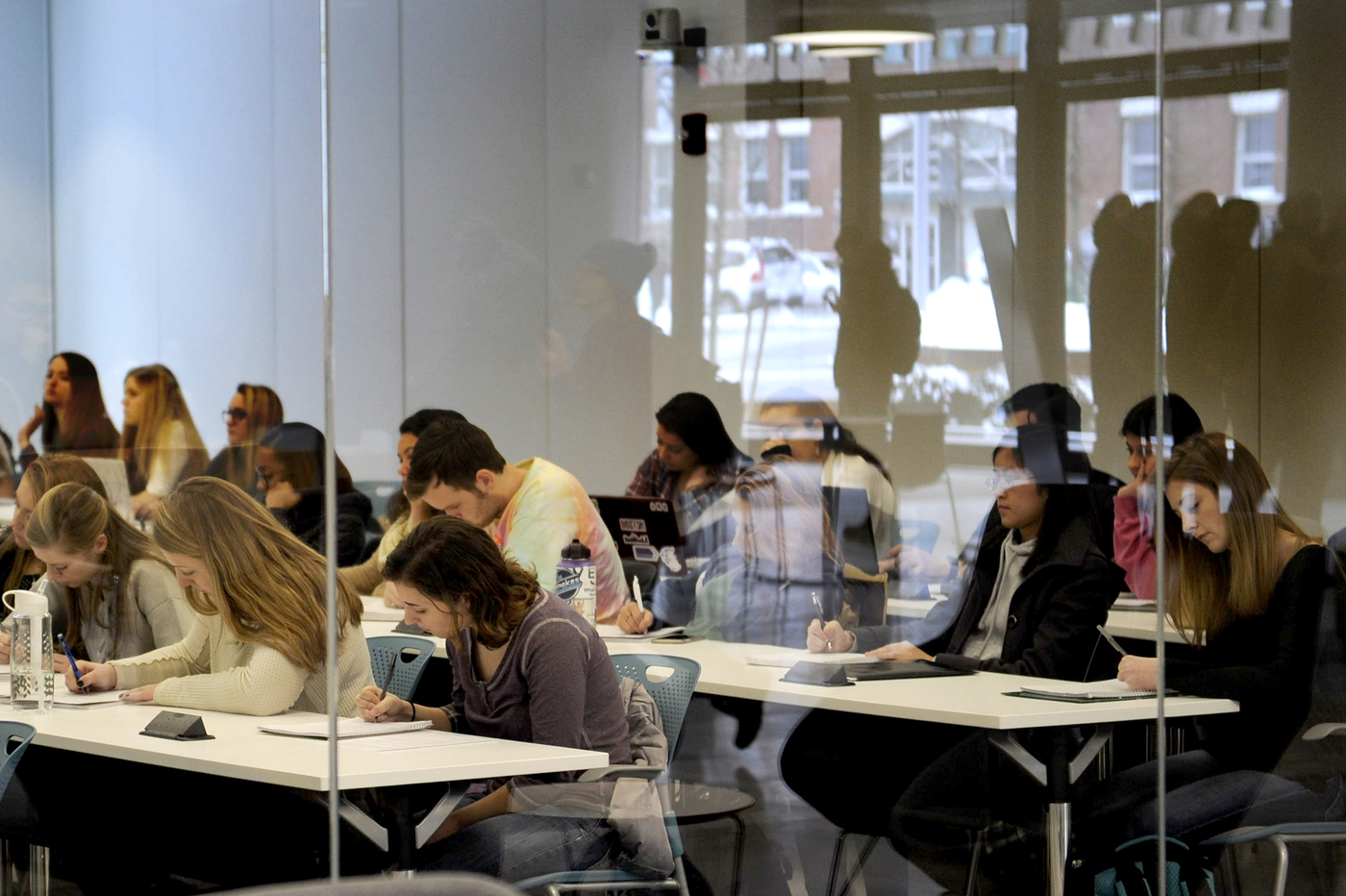
Faculty: Dan Volchok, Graduate School of Education
Research Focus: Education
Publication Type: Published Research — NASPA 2026 Knowledge Communities Publication, pp. 7–9
Published Research: naspa.org/report/2026-knowledge-communities-publication
The Challenge
Graduate and professional students have long been underserved by higher education support structures designed primarily with undergraduates in mind. For decades, the services available to this population were siloed within individual academic units, programs, and schools resulting in inconsistent quality, disconnected delivery, and largely invisible to students navigating complex personal and professional demands alongside their studies.
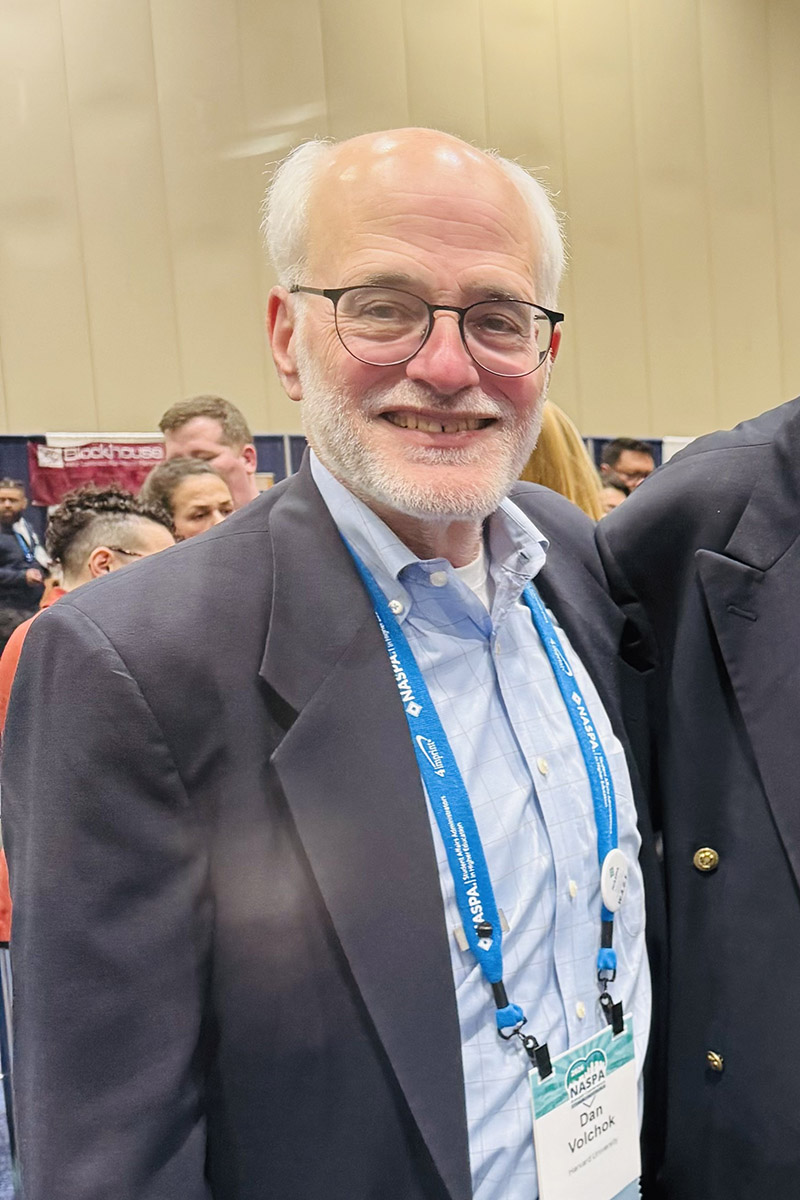
In recent years, institutions have begun pushing toward more centralized, collaborative support models for graduate and professional learners. But the field has lacked a tested framework to guide that shift: one grounded in evidence, built for scale, and designed specifically around what graduate students actually need.
This research explores that gap by applying the logic of one of higher education’s most successful reform movements to a population it never fully reached.
The inspiration came through a collaboration that began at a NASPA preconference in New Orleans, where Daniel Volchok, a lecturer in Northeastern College of Professional Studies Graduate School of Education, had the opportunity to hear from (and work alongside) John N. Gardner, Executive Chair and Co-Founder of the John N. Gardner Institute for Excellence in Higher Education.
Gardner’s work is the foundation of what became known as the First-Year Experience (FYE) movement, a 45-year effort to improve learning outcomes, satisfaction, and graduation rates for first-year college students. The FYE framework transformed how institutions think about student transition, belonging, and early success. It is now among the most widely adopted and studied approaches in American higher education.
That conversation raised a question worth pursuing: if the First-Year Experience model could so dramatically improve outcomes for entering undergraduates, what would it look like to bring that same intentional, evidence-based approach to the graduate student experience?
“If the First-Year Experience model could so dramatically improve outcomes for entering undergraduates, what would it look like to bring that same intentional, evidence-based approach to the graduate student experience?”
Dan Volchok, Graduate School of Education
The NASPA Administrators in Graduate and Professional Student Services (AGAPSS) Knowledge Community, a national network for professionals who work with this student population, became the vehicle for turning that question into action. AGAPSS is now partnering with the Gardner Institute to develop a Graduate Student Experience track, bringing the FYE framework into new territory.
Impact & Outcomes
The research, co-authored with John N. Gardner, was published in the NASPA 2026 Knowledge Communities Publication (pp. 7–9), a peer-reviewed national resource for student affairs professionals across the country.
The work has seeded a broader initiative now unfolding in real time. AGAPSS, the Gardner Institute and Georgia Tech University are developing a full Graduate Student Experience conference in Spring 2027. These convenings will bring practitioners, administrators, and researchers together to build the evidence base, share emerging practices, and co-develop the frameworks that graduate-serving institutions need.
The longer arc of this work is clear: just as the First-Year Experience became a national model that reshaped how institutions invest in new students, the Graduate Student Experience framework has the potential to do the same for graduate and professional learners — a population that has waited long enough for the same level of intentional, research-backed support.
Connect with Dan on LinkedIn.