Remote Work Didn’t Just Change Where We Work — It Raised the Bar for Who Gets Hired

New research from Northeastern’s Zhenyu Liao, published in Administrative Science Quarterly, offers a striking counterpoint to the “flip-flops and Zoom” narrative of remote work. Analyzing more than 50 million European job postings from 2018 to 2021, Liao and colleagues found that remote positions consistently demanded roughly 25% more skills, along with higher experience and education requirements, than comparable in-person roles. The reason: without the informal cues and mentorship of shared office space, employers leaned harder on measurable credentials and quantifiable performance to evaluate remote candidates and workers alike.
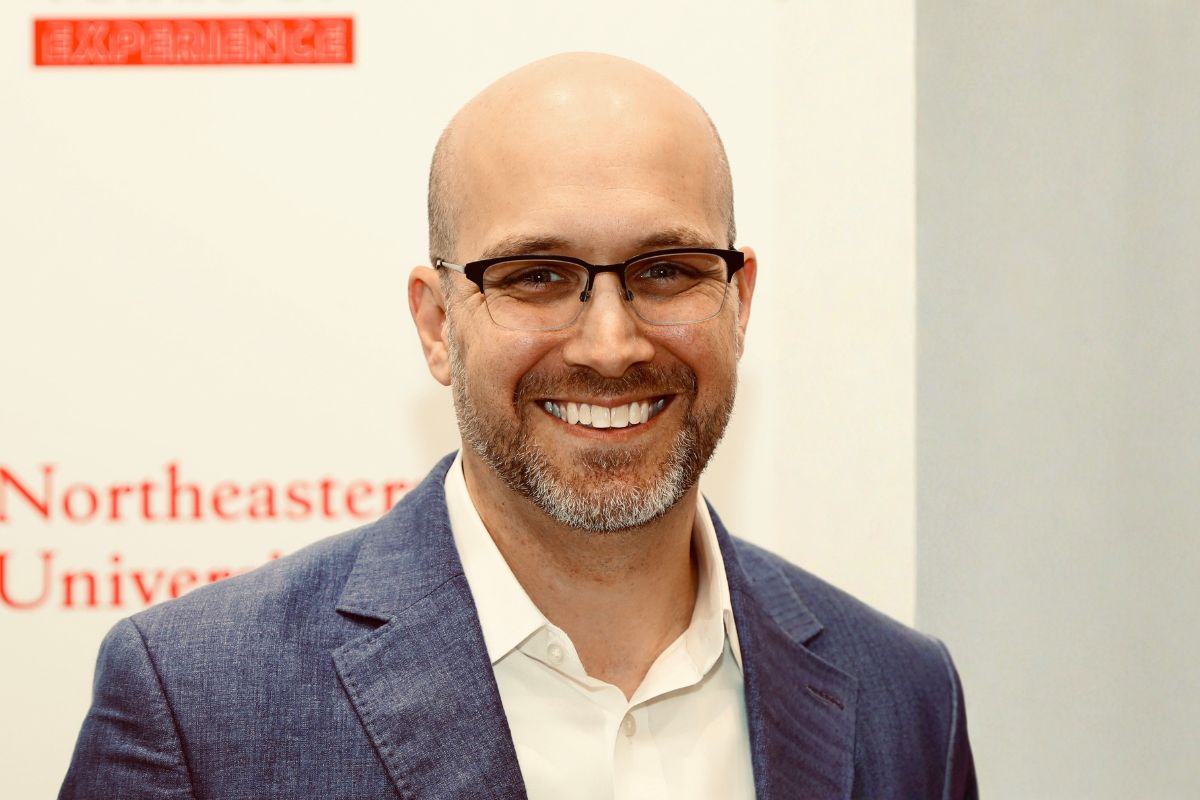
For CPS Dean Jared Auclair, the findings underscore the college’s role in closing that gap. Auclair said universities should provide “custom, non-degree learning options” to give graduates the necessary skills a modern job requires — and they need to do it quickly. As he put it: “Employers don’t want to wait for degrees – they want custom credentials at the speed of business. With AI accelerating skill obsolescence, this isn’t a future problem—it’s a present one.