
Ray McMillian on Strengthening Academic Self-Efficacy for Welfare-to-Work Program Learners
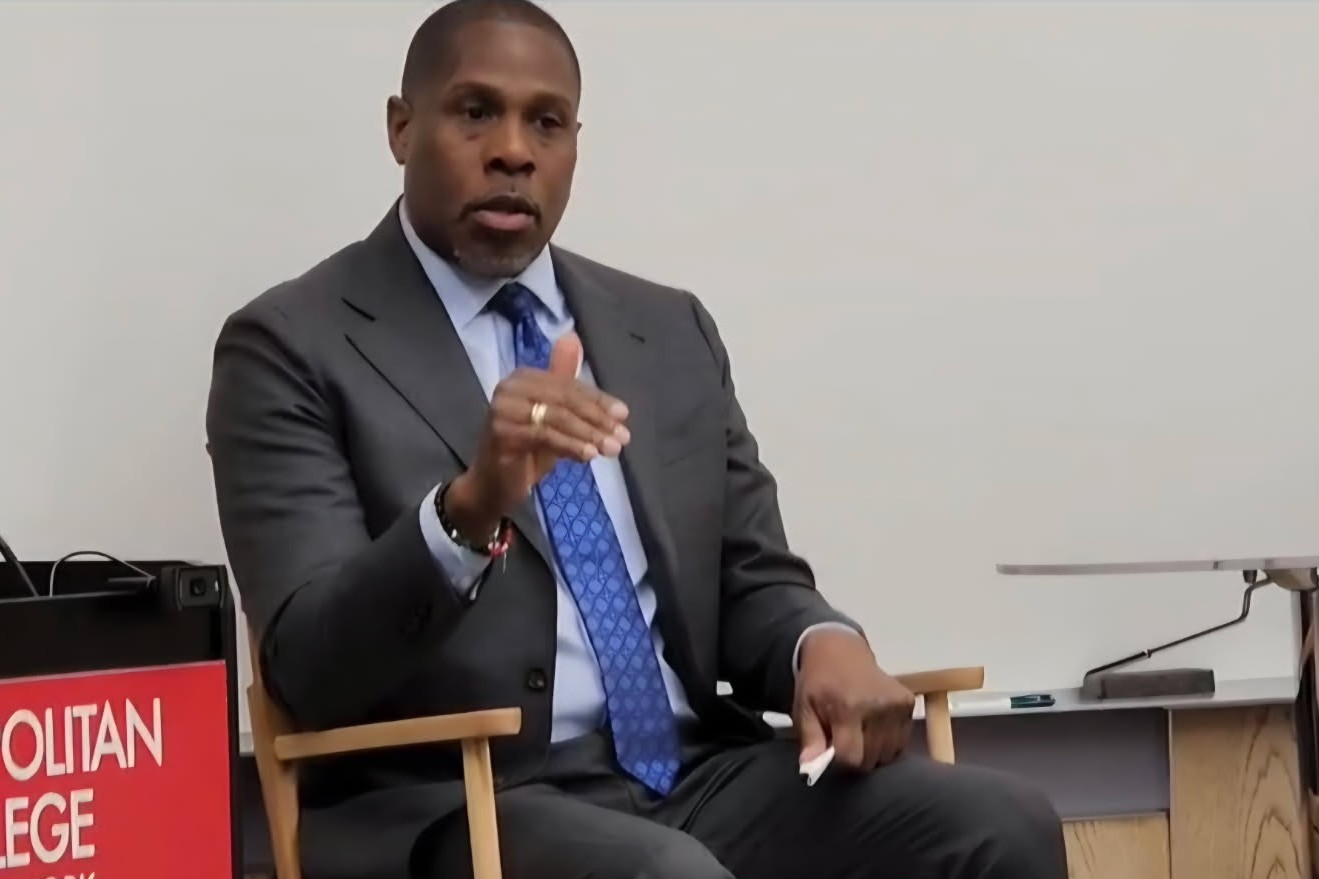
🔗 linkedin.com/in/rayhmcmillian
Research Focus: Adult Learner Self-Efficacy • Workforce Education
“The Smart Approach: Enhancing Academic Self-Efficacy and Achievement in Welfare-to-Work Program Learners”
What challenge did your research address?
Adult learners enrolled in a college-based welfare-to-work program were pursuing higher education while navigating significant demands outside the classroom. For some, these challenges were compounded by previous academic difficulties and low confidence in their ability to succeed in college. My research examined how a structured intervention could strengthen learners’ beliefs in their academic capabilities and help translate those beliefs into effective academic behaviors and achievement.
What inspired you to pursue this research?
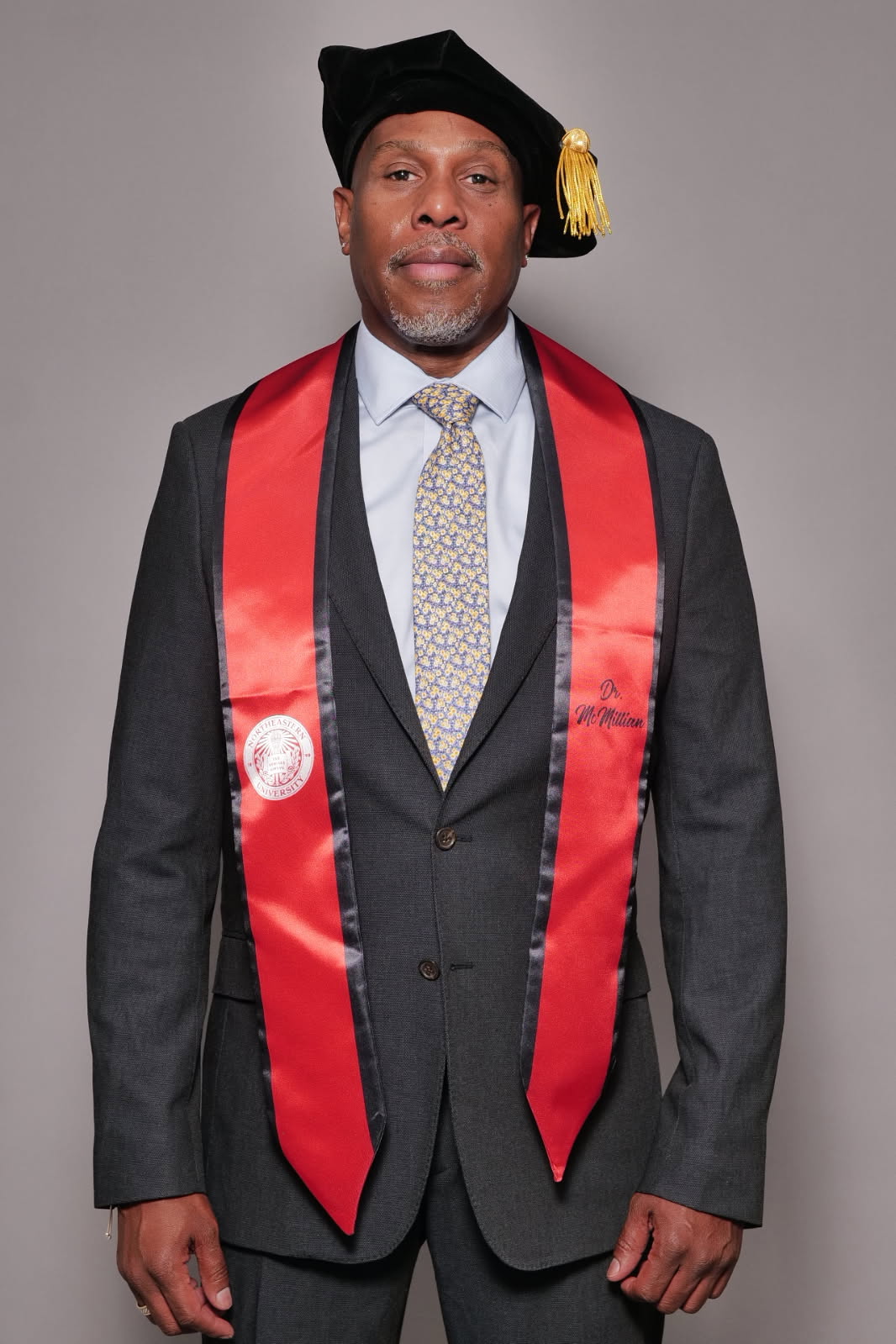
This research was inspired by my experience first as an adult learner and later as an educator working with adult students navigating college while managing complex life circumstances. Over the years, I saw students who wanted to succeed but struggled academically, and I didn’t view those struggles as a lack of ability or motivation. My own educational journey showed me what continued opportunity could make possible, and my work with adult learners inspired me to examine how structured goal setting and sustained support could make those possibilities more attainable for others.
What did your research find, and what is its impact?
SMART goal setting, combined with academic strategies and sustained support, helped adult learners strengthen their academic self-efficacy and take a more intentional approach to their academic goals. Most participants achieved the goals they set, though some needed continued support beyond a short-term intervention. The broader impact is a framework for helping educators create structured, supportive conditions that strengthen adult learners’ confidence, strategic learning, and capacity to persist toward academic success. I’ve since expanded this work to examine cumulative disadvantage — how systemic inequities across educational trajectories shape the preparedness and opportunities adult learners bring into higher education.
“Its broader impact is a framework for helping educators create structured, supportive conditions that strengthen adult learners’ confidence, strategic learning, and capacity to persist toward academic success.”
Ray McMillian
